level-one heading

Why Kolabtree
Getting started is quick and easy. No upfront fees
It’s free to request a service and invite bids from experts
Discuss requirements with the expert in detail before accepting statement of work from Kolabtree
Collaborate with the expert directly to get your work done the right way
Fund project when you hire the expert, but approve the deliverables only once work is done
Want to hire this expert for a project? Request a quote for free.
Profile Details
Create Project
★★★★★
☆☆☆☆☆
USD 150 /hr
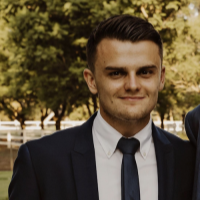
Hire Dr. Cory D.
United States
USD 150 /hr

Biostatistician specializing in Clinical Trial Documentation, Meta-Analysis, and Medical Writing

Profile Summary
Subject Matter Expertise
Services
Writing Clinical Trial Documentation, Medical Writing, Technical Writing
Research Meta-Research, Feasibility Study, Scientific and Technical Research, Systematic Literature Review
Consulting Healthcare Consulting, Scientific and Technical Consulting
Data & AI Predictive Modeling, Statistical Analysis, Algorithm Design-ML, Data Visualization, Big Data Analytics
Work Experience

The University of Western Australia

- Present

Postdoctoral Researcher - Biostatistics

Pennington Biomedical Research Center, LSU

January 2024 - Present

Education

The University of Western Australia

- Present

PhD - Biostatistics and Nutritional Science

Curtin University

February 2018 - December 2023

Certifications
  • Certification details not provided.
Publications
JOURNAL ARTICLE
Effect of intravenous iron therapy on exercise performance, fatigue scores and mood states in iron-deficient recreationally active females of reproductive age @article{acf5a88dd0eb41e3921b2d1189d2ab53, title = "Effect of intravenous iron therapy on exercise performance, fatigue scores and mood states in iron-deficient recreationally active females of reproductive age: a double-blind, randomised control trial (IRONWOMAN Trial)", abstract = "Objectives: Non-anaemic iron deficiency (IDNA) is highly prevalent in exercising females. Although iron therapy can be used to correct this issue, its impact on exercise performance is equivocal. Our aim was to assess the efficacy of intravenous iron therapy on exercise performance, fatigue, mood states, and quality of life in recreationally active IDNA females of reproductive age. Methods: Twenty-six recreationally active IDNA females were randomised to either an intravenous iron treatment (IRON) group or placebo (PLA). Prior to, 4 days and 4 weeks following intervention, participants completed a variety of assessments to determine changes in exercise performance, haemoglobin mass, blood iron status and haematology, fatigue levels, mood states and quality of life. Results: Intravenous iron therapy significantly improved serum ferritin, serum iron and transferrin saturation (p<0.05), with a highly variable individual response. No differences were observed between groups' peak oxygen consumption (VO2Peak), lactate threshold or haemoglobin mass. Running economy improved in IRON from baseline to 4 weeks (p<0.05), which was also different to PLA at 4 weeks (p<0.05). Fatigue scores improved in IRON but not PLA after 4 weeks (p<0.05). Mood states and quality of life remained unchanged in both groups over the trial. Conclusion: In recreationally active IDNA females, intravenous iron therapy corrects iron status and improves both exercise economy and fatigue scores after 4 weeks. Trial registration number ACTRN12620001357943.", keywords = "Exercise, Fatigue, Iron Metabolism Disorders, Women, Women in sport", author = "Cory Dugan and Peter Peeling and Paige Buissink and Beth Maclean and Jayne Lim and Pradeep Jayasuriya and Toby Richards", year = "2025", month = jul, day = "1", doi = "10.1136/bjsports-2024-108240", language = "English", volume = "59", pages = "921--930", journal = "British Journal of Sports Medicine", issn = "0306-3674", publisher = "BMJ Publishing Group", number = "13", } . British Journal of Sports Medicine.
Cory Dugan, Peter Peeling, Paige Buissink, Beth MacLean, Jayne Lim, Pradeep Jayasuriya, Toby Richards (2025). Effect of intravenous iron therapy on exercise performance, fatigue scores and mood states in iron-deficient recreationally active females of reproductive age: a double-blind, randomised control trial (IRONWOMAN Trial) . British Journal of Sports Medicine.
Cory Dugan, Stephen Hennigar (2025). Carbon monoxide inhalation to increase haemoglobin mass: a canary in a coal mine for sport? . British Journal of Sports Medicine.
Greater prevalence of anaemia and heavy menstrual bleeding reported in women of reproductive age in the United Kingdom compared to Australia @article{d7b7e676ffcd4c1da08ba716da572c46, title = "Greater prevalence of anaemia and heavy menstrual bleeding reported in women of reproductive age in the United Kingdom compared to Australia", abstract = "Heavy periods are a common cause of anaemia in women of reproductive age. We compare the prevalence of anaemia and heavy menstrual bleeding (HMB) among women in the United Kingdom and Australia. Women aged 15-50 years were recruited through screening events conducted in the United Kingdom and Australia from 2016 to 2024. In these cross-sectional studies, self-report questionnaires screened for HMB and finger prick haemoglobin concentration (Hb) identified anaemia (Hb < 120 g/L). Of 1937 women (United Kingdom = 333, Australia = 1604), the mean age was 28.5 +/- 9.2 years and 33.7\% reported HMB. In the United Kingdom, the mean Hb was 129.2 +/- 12.0 g/L and 19.2\% were anaemic, of which 59.4\% had HMB. In Australia, the mean Hb was higher (134.4 +/- 12.2 g/L; p < 0.001), with fewer women being anaemic (9.7\%; p < 0.001), and fewer anaemic women had HMB (30.3\%; p < 0.001). Logistic regression analysis found that women in the United Kingdom were at a greater risk of being anaemic (AOR: 2.144; 95\%CI:1.545, 2.946; p < 0.001). HMB was more common in the United Kingdom (45.9\% vs. 31.2\%; p < 0.001). In Australia, 24.7\% (299/1211) reported receiving intravenous iron; while those with prior intravenous iron treatment were less likely to be anaemic (AOR: 0.616; 95\%CI: 0.372, 0.982; p = 0.0496). Women in the United Kingdom are more likely to have anaemia and HMB than women in Australia, with HMB presenting a greater risk for anaemia development in the United Kingdom.", keywords = "Anaemia, Haemoglobin, Heavy menstrual bleeding, Iron deficiency, Menstruation", author = "Beth MacLean and Jess Fuller and Jayne Lim and Cory Dugan and Toby Richards", year = "2025", month = may, doi = "10.1111/bjh.20075", language = "English", volume = "206", pages = "1479--1484", journal = "British Journal of Haematology", issn = "0007-1048", publisher = "John Wiley \& Sons", number = "5", } . British Journal of Haematology.
Iron optimisation in pregnancy @article{e3d255c5f8c143e9b06b3cdb6e3921a8, title = "Iron optimisation in pregnancy: a Haematology in Obstetric and Women's Health Collaborative consensus statement", abstract = "Anaemia is a well-recognised and widely accepted consequence of iron deficiency (ID); however, the two diagnoses are not synonymous with the effects of ID occurring long before the development of anaemia. In adults, ID can cause physical and neuropsychological symptoms, including lethargy, altered mood and poor concentration, reducing an individual's quality of life. Foetal and neonatal ID has been associated with impaired neurocognitive development with lasting effects despite iron replacement in early life. Obstetric ID is common, affecting up to 70\% of Australian pregnancies. The impact, at both an individual and a population level, remains underappreciated and consensus on the identification and management of obstetric ID is lacking. This consensus statement was developed by the Haematology in Obstetrics and Women's Health (HOW) Collaborative and utilised the Grading of Recommendations Assessment, Development and Evaluation (GRADE) system to evaluate evidence and strength of recommendations. Recommendations are as follows: (i) Routine ferritin screening should be performed in all pregnant women (GRADE 1C) at booking and 24-28 weeks. Repeat testing should be performed at 36 weeks if clinically indicated or if the woman is previously unscreened. (ii) ID in pregnancy should be defined as a ferritin level <30 mu g/L (GRADE 1D). (iii) An appropriate oral iron formulation should be offered as first-line therapy for obstetric ID (GRADE 1B). (iv) Alternate-day oral dosing can be considered to limit side effects in women with obstetric ID (GRADE 2B). (v) Intravenous iron should be offered to women with ID/ID anaemia who are intolerant of or refractory to oral iron or in the third trimester (GRADE 1B).", keywords = "Foetal, Iron deficiency, Neonatal, Obstetric, Pregnancy", author = "Lisa Clarke and Bernd Froessler and Catherine Tang and Kylie King and Bryony Ross and Giselle Kidson-Gerber and Cory Dugan and Lynn Townsend and Talat Uppal and Laura Baxter and Shab Cook and Briony Cutts and Renee Eslick and Elizabeth Farrell and Luke Grzeskowiak and Nada Hamad", year = "2025", month = feb, doi = "10.1111/imj.16602", language = "English", volume = "55", pages = "300--307", journal = "Internal Medicine Journal", issn = "1444-0903", publisher = "John Wiley \& Sons", number = "2", } . Internal Medicine Journal.
Community screening for iron deficiency in reproductive aged women @article{47879570627b4dc5888fd3970cb36ae4, title = "Community screening for iron deficiency in reproductive aged women: Lessons learnt from Australia", abstract = "Background and Objectives: Reproductive-aged women are at an increased risk of developing iron deficiency (ID). We aimed to develop a non-invasive screening tool to identify ID in women and assess the acceptability of screening. Study Design and Methods: We screened women (age 18–49 years) in the community of Western Australia. Primary outcome: acceptability of screening, assessed by the feasibility of recruiting the required sample size (n = 323). Secondary outcomes: Hand grip strength, finger prick haemoglobin concentration (Hb), prevalence of heavy menstrual bleeding (HMB), diet, pregnancy history, blood donation, symptoms of ID and history of ID or anaemia (Hb < 120 g/L). Those with Hb <130 g/L and no history of iron therapy in the past 2 years were given referrals for venous full blood count and ferritin sampling. Results: Across 5 days, we recruited 640 eligible women. Of which, 178 (28\%) had HMB and 79 (12\%) were anaemic. Mean age was 33.5 ± 9.2 years, and mean Hb was 132.4 ± 11.9 g/L. In the past 2 years: 335 (52\%) were diagnosed with ID or anaemia; 322 (50\%) had taken oral iron; and 210 (33\%) had an intravenous iron infusion. Vegetarian diets were followed by 89 (14\%); 40 (6\%) were regular blood donors; 290 (45\%) had a previous pregnancy. HMB increased the risk of symptoms of ID and having prior ID/anaemia diagnosis (67\% vs. 47\%) or treatment (p < 0.022). Hand grip strength showed a positive relationship with both Hb (adjusted R2 = 0.012, p = 0.004) and ferritin (adjusted R2 = 0.135, p = 0.005). Conclusion: ID screening was well accepted by women in the community, with high recruitment rates over a short period. Future screening tool development may consider incorporating hand grip strength and HMB assessment.", keywords = "anaemia, iron deficiency, women's health", author = "Beth MacLean and Jayne Lim and Jess Fuller and Riki Wylie and Joo, \{Judie Yeleen\} and Annas Al-Sharea and Jaahnavi Cheyyur and Henry Ng and Sijing Zhang and Mubashshira Ahmed and Cory Dugan and Toby Richards", note = "Publisher Copyright: {\textcopyright} 2024 The Author(s). Vox Sanguinis published by John Wiley \& Sons Ltd on behalf of International Society of Blood Transfusion.", year = "2025", month = jan, doi = "10.1111/vox.13750", language = "English", volume = "120", pages = "22--31", journal = "Vox Sanguinis", issn = "0042-9007", publisher = "Wiley-Blackwell", number = "1", } . Vox Sanguinis.
Temporal tracking of cysteine 34 oxidation of plasma albumin as a biomarker of muscle damage following a bout of eccentric exercise @article{ff3c57524f0c4d63bd9c4ce449e6b5bb, title = "Temporal tracking of cysteine 34 oxidation of plasma albumin as a biomarker of muscle damage following a bout of eccentric exercise", abstract = "Purpose: Exercise-induced muscle damage (EIMD) results in the generation of reactive oxygen species (ROS), but little is known about the temporal profile of change in ROS post-EIMD and how ROS levels relate to the onset of and recovery from EIMD. Our primary aim was to examine the effect of EIMD on the pattern of change in the blood level of thiol-oxidised albumin, a marker of oxidative stress. Methods: Seven male participants were subjected on separate days to eccentric muscle contraction to cause EIMD or a no-exercise condition. After each session, the participants collected daily dried blood spots to measure thiol-oxidised albumin and returned to the laboratory every 2 days for the assessment of indirect markers of EIMD, namely maximal voluntary contraction (MVC), delayed onset muscle soreness (DOMS), creatine kinase (CK), and myoglobin. Results: Eccentric exercise resulted in a significant decrease in MVC and increase in DOMS, CK, myoglobin, and thiol-oxidised albumin with the latter reaching above baseline level within 24–48 h post-exercise. All the markers of EIMD returned to baseline level within 6 days post-exercise, but not the level of thiol-oxidised albumin which remained elevated for 10 days after exercise. There was a moderate correlation between changes in thiol-oxidised albumin and DOMS, but no significant relationship between any other markers of muscle damage. Conclusion: The levels of thiol-oxidised albumin increase in response to EIMD and remain elevated for several days post-exercise. The temporal pattern of change in the level of thiol-oxidised albumin suggests that this may be a useful biomarker of muscle repair post-EIMD.", keywords = "Dried blood spot, Eccentric exercise, Exercise-induced muscle damage, Oxidative stress, Thiol-oxidised albumin", author = "Christopher James and Dugan, \{Cory W.\} and Corrin Boyd and Fournier, \{Paul A.\} and Arthur, \{Peter G.\}", note = "Publisher Copyright: {\textcopyright} The Author(s) 2024.", year = "2024", month = sep, doi = "10.1007/s00421-024-05488-1", language = "English", volume = "124", pages = "2639–2650", journal = "European Journal of Applied Physiology", issn = "1439-6319", publisher = "Springer Science + Business Media", number = "9", } . European Journal of Applied Physiology.
Efficacy of iron supplementation on physical capacity in non-anaemic iron-deficient individuals @article{8d1970ee9d6a49559cb1e78031d8c637, title = "Efficacy of iron supplementation on physical capacity in non-anaemic iron-deficient individuals: protocol for an individual patient data meta-analysis", abstract = "Background: A deficiency in iron stores is associated with various adverse health complications, which, if left untreated, can progress to states of anaemia, whereby there is significant detriment to an individual{\textquoteright}s work capacity and quality of life due to compromised erythropoiesis. The most common methods employed to treat an iron deficiency include oral iron supplementation and, in persistent and/or unresponsive cases, intravenous iron therapy. The efficacy of these treatments, particularly in states of iron deficiency without anaemia, is equivocal. Indeed, both randomised control trials and aggregate data meta-analyses have produced conflicting evidence. Therefore, this study aims to assess the efficacy of both oral and intravenous iron supplementation on physical capacity, quality of life, and fatigue scores in iron-deficient non-anaemic individuals using individual patient data (IPD) meta-analysis techniques. Methods: All potential studies, irrespective of design, will be sourced through systematic searches on the following databases: Cochrane Central Register of Controlled Trials, MEDLINE Ovid, Embase Ovid, Web of Science: Science Citation Index Expanded, Web of Science: Conference Proceedings Citation Index-Science, ClinicalTrials.gov, and World Health Organization (WHO) International Clinical Trials Registry Platform. Individual patient data from all available trials will be included and subsequently analysed in a two-stage approach. Predetermined subgroup and sensitivity analyses will be employed to further explain results. Discussion: The significance of this IPD meta-analysis is one of consolidating a clear consensus to better inform iron-deficient individuals of the physiological response associated with iron supplementation. The IPD approach, to the best of our knowledge, is novel for this research topic. As such, the findings will significantly contribute to the current body of evidence. Systematic review registration: PROSPERO CRD42020191739.", keywords = "Individual patient data, Iron deficiency, Iron supplementation, Non-anaemia, Physical capacity, Quality of life", author = "Cory Dugan and Peter Peeling and Richard Burden and Toby Richards", year = "2024", month = jul, day = "15", doi = "10.1186/s13643-024-02559-4", language = "English", volume = "13", journal = "Systematic Reviews", issn = "2046-4053", publisher = "BioMed Central", number = "1", } . Systematic Reviews.
The relationship between menorrhagia, iron deficiency, and anaemia in recreationally active females @article{db6b971f8fa14bfd8fb42b565a44c742, title = "The relationship between menorrhagia, iron deficiency, and anaemia in recreationally active females: An exploratory population based screening study", abstract = "Objectives: Iron deficiency, anaemia, and menorrhagia – or heavy menstrual bleeding – are interrelated conditions that are highly prevalent and commonly underrecognised in exercising females of reproductive age. This study utilised a screening tool to identify risk factors and symptoms associated with heavy menstrual bleeding, iron deficiency, and anaemia in this population. Design: An observational, cross sectional survey study was employed. Methods: 1042 active females (aged 18–65) completed a comprehensive screening questionnaire and 887 (85 \% compliance) provided a fingerprick blood sample for haemoglobin (Hb) concentration measurement. Women that presented as anaemic (defined as a [Hb] < 120 g/L) or deemed to be at risk of iron deficiency (120 < [Hb] < 130 g/L) were asked to complete follow-up blood tests to screen for iron studies. Results: Average [Hb] was 134.2 ± 12.1 g/L, with 94 individuals considered anaemic (10.6 \%). Of the sample, 104 underwent follow-up blood tests; 51 (\textasciitilde{} 49 \%) presented with iron deficiency (defined as ferritin < 30 μg/L). Based on survey responses, 274 (30.9 \%) participants were determined to have heavy menstrual bleeding. Those presenting with heavy menstrual bleeding were younger, exercised fewer hours per week, and were more likely to have a history of iron deficiency or anaemia (all p < 0.05). Participants reporting a history of anaemia or iron deficiency were more likely to have heavy menstrual bleeding (anaemia: 39.7 \%; iron deficiency; 36.9 \%; both p < 0.05). Conclusions: In this cohort of exercising females of reproductive age, the prevalence of anaemia was 10.6 \%. There is a strong association between heavy menstrual bleeding and a self-reported history of iron deficiency and anaemia. Greater awareness of heavy menstrual bleeding and its relationship with iron deficiency and anaemia is needed in this population. Non-invasive screening should be conducted to raise awareness and further understand the associated risk factors and symptomatology.", keywords = "Anaemia, Exercise, Heavy menstrual bleeding, Iron deficiency, Women's health", author = "Cory Dugan and Peter Peeling and Amelia Davies and Beth MacLean and Aaron Simpson and Jayne Lim and Toby Richards", note = "Publisher Copyright: {\textcopyright} 2024 The Authors", year = "2024", month = jul, doi = "10.1016/j.jsams.2024.04.012", language = "English", volume = "27", pages = "437--450", journal = "Journal of Science and Medicine in Sport", issn = "1440-2440", publisher = "Elsevier", number = "7", } . Journal of Science and Medicine in Sport.
James, C., Dugan, C.W., Boyd, C., Fournier, P.A., Arthur, P.G.(2024). Temporal tracking of cysteine 34 oxidation of plasma albumin as a biomarker of muscle damage following a bout of eccentric exercise . European Journal of Applied Physiology.
Dugan, C., Peeling, P., Davies, A., MacLean, B., Simpson, A., Lim, J., Richards, T.(2024). The relationship between menorrhagia, iron deficiency, and anaemia in recreationally active females: An exploratory population based screening study . Journal of Science and Medicine in Sport. 27. (7). p. 437-450.
The Perceived Impact of Iron Deficiency and Iron Therapy Preference in Exercising Females of Reproductive Age: A Cross-Sectional Survey Study @article{b274aaba9f9441a0800cffba8e37417c, title = "The Perceived Impact of Iron Deficiency and Iron Therapy Preference in Exercising Females of Reproductive Age: A Cross-Sectional Survey Study", abstract = "Background: Patient perceptions of iron deficiency and efficacy of iron therapy may differ from the interpretations of doctors. Qualitative investigation at an individual level related may help define patient expectations and therapeutic targets. Therefore, we aimed to explore this concept in exercising females of reproductive age. Methods: Exercising females (n = 403) who either (a) were currently experiencing iron deficiency, or (b) have experienced iron deficiency in the past were included. A survey comprising open-ended text response questions explored three {\textquoteleft}domains{\textquoteright}: (1) the impact of iron deficiency, (2) the impact of iron tablet supplementation (where applicable), and (3) the impact of iron infusion treatment (where applicable). Questions were asked about training, performance, and recovery from exercise. Survey responses were coded according to their content, and sentiment analysis was conducted to assess responses as positive, negative, or neutral. Results: Exercising females showed negative sentiment toward iron deficiency symptoms (mean range = − 0.94 to − 0.81), with perception that fatigue significantly impacts performance and recovery. Iron therapies were perceived to improve energy, performance, and recovery time. Participants displayed a strong positive sentiment (mean range = 0.74 to 0.79) toward iron infusion compared to a moderately positive sentiment toward oral iron supplementation (mean range = 0.44 to 0.47), with many participants perceiving that oral iron supplementation had no effect. Conclusion: In Australia, women prefer an iron infusion in treatment of iron deficiency compared to oral iron.", author = "Cory Dugan and Aaron Simpson and Peter Peeling and Jayne Lim and Amelia Davies and Paige Buissink and Beth MacLean and Pradeep Jayasuriya and Toby Richards", year = "2023", month = aug, day = "24", doi = "10.2147/ppa.s397122", language = "English", volume = "17", pages = "2097–2108", journal = "Patient Preference and Adherence", issn = "1177-889X", publisher = "Dove Medical Press Ltd.", } . Patient Preference and Adherence.
Timing is everything, but does it really matter? Impact of 8-weeks morning versus evening iron supplementation in ballet and contemporary dancers @article{61a2b2896e0a4a81893a4a12ac64bf47, title = "Timing is everything, but does it really matter? Impact of 8-weeks morning versus evening iron supplementation in ballet and contemporary dancers", abstract = "The effectiveness of a morning versus evening oral iron supplement strategy to increase iron stores was explored. Ballet and contemporary dancers with serum ferritin (sFer) < 50μg/L (n = 14), were supplemented daily with 105 mg elemental oral iron in either the morning (FeAM) or evening (FePM) for 8 weeks. A control group (n = 6) with sFer >50μg/L were given no supplement over the same period. Dancers{\textquoteright} sFer were measured at baseline and post-intervention. Assessment of daily training load, dietary intake, and menstruation were made. A significant interaction (p < 0.001) showed the within group sFer change over the 8-week intervention in FeAM (+25.9 ± 10.5μg/L) and FePM, (+22.3 ± 13.6μg/L) was significantly different to CON (−30.17 ± 28.7μg/L; both p = 0.001). This change was not different between FeAM and FePM (p = 0.778). sFer levels within FeAM and FePM significantly increased over the 8-weeks; however, they significantly decreased in the CON group (all p < 0.05). Post-intervention sFer levels were no longer different between the three groups (p > 0.05). Training load, dietary intake, and number of menstrual cycles incurred were similar between FeAM and FePM (p > 0.05). Oral iron supplementation in either the morning or evening appears equally effective in increasing sFer levels in dancers with sub-optimal iron status.", keywords = "iron deficiency, Iron supplement, minerals, nutrition", author = "Caitlin Attwell and Alannah McKay and Marc Sim and Cory Dugan and Joanna Nicholas and Luke Hopper and Peter Peeling", year = "2023", doi = "10.1080/17461391.2023.2224285", language = "English", volume = "23", pages = "2275--2282", journal = "European Journal of Sport Science", issn = "1746-1391", publisher = "Taylor \& Francis", number = "12", } . European Journal of Sport Science.
Non-erythropoiesis stimulating agent, non-iron therapies for the management of anemia @article{ffd1eacc463044118a02fd3e5cdee7d8, title = "Non-erythropoiesis stimulating agent, non-iron therapies for the management of anemia: A scoping review", keywords = "blood management, RBC transfusion", author = "Davies, \{Amelia T.\} and Devlin, \{Paula M.\} and Cory Dugan and Toby Richards and Miles, \{Lachlan F.\}", note = "Funding Information: This study was supported by the Natural Science Foundation of China Excellent Young Scientists Fund (82022064), Natural Science Foundation of China International/Regional Research Collaboration Project (72061137001), Natural Science Foundation of China Young Scientist Fund (81703278), the National Science and Technology Major Project of China (2018ZX10721102), the Sanming Project of Medicine in Shenzhen (SZSM201811071), the High Level Project of Medicine in Longhua, Shenzhen (HLPM201907020105), the National Key Research and Development Program of China (2020YFC0840900), the Shenzhen Science and Technology Innovation Commission Basic Research Program (JCYJ20190807155409373), Special Support Plan for High-Level Talents of Guangdong Province (2019TQ05Y230), and the Fundamental Research Funds for the Central Universities (58000-31620005). All funding parties did not have any role in the design of the study or in the explanation of the data. ", year = "2023", month = apr, doi = "10.1111/trf.17274", language = "English", volume = "63", pages = "849--860", journal = "Transfusion", issn = "0041-1132", publisher = "John Wiley \& Sons", number = "4", } . Transfusion.
Cory Dugan, Amelia T. Davies, Paula M. Devlin, Toby Richards, Lachlan F. Miles (2023). Non‐erythropoiesis stimulating agent, non‐iron therapies for the management of anemia: A scoping review . Transfusion.
Dugan, C., Simpson, A., Peeling, P., Lim, J., Davies, A., Buissink, P., Maclean, B., Jayasuriya, P., Richards, T.(2023). The Perceived Impact of Iron Deficiency and Iron Therapy Preference in Exercising Females of Reproductive Age: A Cross-Sectional Survey Study . Patient Preference and Adherence. 17. p. 2097-2108.
Davies, A.T., Devlin, P.M., Dugan, C., Richards, T., Miles, L.F.(2023). Non-erythropoiesis stimulating agent, non-iron therapies for the management of anemia: A scoping review . Transfusion. 63. (4). p. 849-860.
Attwell, C., McKay, A., Sim, M., Dugan, C., Nicholas, J., Hopper, L., Peeling, P.(2023). Timing is everything, but does it really matter? Impact of 8-weeks morning versus evening iron supplementation in ballet and contemporary dancers . European Journal of Sport Science. 23. (12). p. 2275-2282.
Cory Dugan, Katerina Cabolis, Lachlan F. Miles, Toby Richards (2022). Systematic review and meta‐analysis of intravenous iron therapy for adults with non‐anaemic iron deficiency: An abridged Cochrane review . Journal of Cachexia, Sarcopenia and Muscle.
The influence of rest break frequency and duration on physical performance and psychophysiological responses @article{66e4fc41f620470d9affe15d84301f88, title = "The influence of rest break frequency and duration on physical performance and psychophysiological responses: a mining simulation study", abstract = "Purpose: To investigate the influence of shorter, more frequent rest breaks during simulated work (outdoor mining) in the heat on physical performance and psychophysiological responses. Methods: On separate days, thirteen males undertook two 225 min simulation trials in the afternoon (12.00–3.45 pm) including 180 min of treadmill walking at a constant rate of perceived exertion of 11 (or {\textquoteleft}light{\textquoteright}) on the 6–20 Borg scale in a heat chamber (37 °C, 40\% RH), interspersed with 45 min of rest breaks in an air-conditioned room (22 °C, 35\% RH). Rest breaks in the current practice (CP) trial occurred at 1.00 and 2.30 pm (30 min and 15 min, respectively), while in the experimental (EXP) trial were at 1.00 (15 min), 1.45, 2.25 and 3.05 pm (10 min each). Results: Total distance covered was not different (p = 0.086) between CP (12,858 ± 2207 m) and EXP (12,094 ± 2174 m). Heart rate, thermal sensation and thermal comfort were significantly higher at 120–180 min (all p < 0.05) in CP compared to EXP. Moderate- to large-effect sizes (Hedge{\textquoteright}s g) between trials were also found at 120–180 min for core temperature (g = 0.50 and 0.99, respectively). No differences were found between trials for cognitive performance, perceived fatigue, urine specific gravity, or total water intake (p > 0.05). Conclusion: Shorter, more frequent rest breaks have little impact on physical performance, thermal strain and exercise-related sensations. Current practices should remain in place until further studies can be conducted on an actual mine site during summer where outdoor workers perform their work duties.", keywords = "Cognitive ability, Dehydration, Mining industry, Occupational heat stress, Rest breaks", author = "Kanon Uchiyama and James King and Karen Wallman and Sarah Taggart and Cory Dugan and Olivier Girard", year = "2022", month = sep, doi = "10.1007/s00421-022-04979-3", language = "English", volume = "122", pages = "2087--2097", journal = "European Journal of Applied Physiology", issn = "1439-6319", publisher = "Springer Science + Business Media", number = "9", } . European Journal of Applied Physiology.
Cory Dugan, Kanon Uchiyama, James King, Karen Wallman, Sarah Taggart, Olivier Girard (2022). The influence of rest break frequency and duration on physical performance and psychophysiological responses: a mining simulation study . European Journal of Applied Physiology.
Effects of Simulated High Altitude on Blood Glucose Levels During Exercise in Individuals With Type 1 Diabetes @article{6f5b98e3555241bbaae725637054ecea, title = "Effects of Simulated High Altitude on Blood Glucose Levels During Exercise in Individuals With Type 1 Diabetes", abstract = "CONTEXT: Current exercise guidelines for individuals with type 1 diabetes (T1D) do not consider the impact that high altitude may have on blood glucose levels (BGL) during exercise.OBJECTIVE: To investigate the effect of acute hypoxia (simulated high altitude) on BGL and carbohydrate oxidation rates during moderate intensity exercise in individuals with T1D.METHODS: Using a counterbalanced, repeated measures study design, 7 individuals with T1D completed 2 exercise sessions; normoxia and hypoxia (\textasciitilde{}4200 m simulated altitude). Participants cycled for 60 min on an ergometer at 45\% of their sea-level {\.V}O2peak, and then recovered for 60 min. Before, during, and after exercise, blood samples were taken to measure glucose, lactate, and insulin levels. Respiratory gases were collected to measure carbohydrate oxidation rates.RESULTS: Early during exercise (<30 min), there was no fall in BGL in either condition. After 1 h of exercise and during recovery, BGL were significantly lower under the hypoxic condition compared to both pre-exercise levels (P = 0.008) and the normoxic condition (P = 0.027). Exercise in both conditions resulted in a significant rise in carbohydrate oxidation rates, which returned to baseline levels postexercise. Before, during, and after exercise, carbohydrate oxidation rates were higher under the hypoxic compared with the normoxic condition (P < 0.001).CONCLUSIONS: The greater decline in BGL during and after exercise performed under acute hypoxia suggests that exercise during acute exposure to high altitude may increase the risk of hypoglycemia in individuals with T1D. Future guidelines may have to consider the impact altitude has on exercise-mediated hypoglycemia.", keywords = "Altitude, Blood Glucose, Diabetes Mellitus, Type 1, Humans, Hypoglycemia, Hypoxia, Oxygen Consumption", author = "Dugan, \{Cory W\} and Maloney, \{Shane K\} and Abramoff, \{Kristina J\} and Panag, \{Sohan S\} and Davis, \{Elizabeth A\} and Jones, \{Timothy W\} and Fournier, \{Paul A\}", year = "2022", month = may, day = "1", doi = "10.1210/clinem/dgab881", language = "English", volume = "107", pages = "1375--1382", journal = "The Journal of clinical endocrinology and metabolism", issn = "0021-972X", publisher = "Endocrine Society", number = "5", } . The Journal of clinical endocrinology and metabolism.
Dietary Iron and the Elite Dancer @article{074ce83589824ec991193a55a6b5638c, title = "Dietary Iron and the Elite Dancer", abstract = "Dancers are an athlete population at high risk of developing iron deficiency (ID). The aesthetic nature of the discipline means dancers potentially utilise dietary restriction to meet physique goals. In combination with high training demands, this means dancers are susceptible to problems related to low energy availability (LEA), which impacts nutrient intake. In the presence of LEA, ID is common because of a reduced mineral content within the low energy diet. Left untreated, ID becomes an issue that results in fatigue, reduced aerobic work capacity, and ultimately, iron deficient anaemia (IDA). Such progression can be detrimental to a dancer{\textquoteright}s capacity given the physically demanding nature of training, rehearsal, and performances. Previous literature has focused on the manifestation and treatment of ID primarily in the context of endurance athletes; however, a dance-specific context addressing the interplay between dance training and performance, LEA and ID is essential for practitioners working in this space. By consolidating findings from identified studies of dancers and other relevant athlete groups, this review explores causal factors of ID and potential treatment strategies for dancers to optimise absorption from an oral iron supplementation regime to adequately support health and performance.", keywords = "deficiency, energy availability, ferritin, supplement", author = "Caitlin Attwell and Cory Dugan and McKay, \{Alannah K.A.\} and Joanna Nicholas and Luke Hopper and Peter Peeling", year = "2022", month = may, day = "1", doi = "10.3390/nu14091936", language = "English", volume = "14", journal = "Nutrients", issn = "2072-6643", publisher = "MDPI Multidisciplinary Digital Publishing Institute", number = "9", } . Nutrients.
Cory W Dugan, Shane K Maloney, Kristina J Abramoff, Sohan S Panag, Elizabeth A Davis, Timothy W Jones, Paul A Fournier(2022). Effects of Simulated High Altitude on Blood Glucose Levels During Exercise in Individuals With Type 1 Diabetes . The Journal of Clinical Endocrinology & Metabolism. 107. (5). p. 1375--1382. The Endocrine Society
Non-erythropoiesis-stimulating agent, non-iron therapies for the management of anaemia @article{1cdffe2854f549be82b9cff6ed7572b0, title = "Non-erythropoiesis-stimulating agent, non-iron therapies for the management of anaemia: protocol for a scoping review", abstract = "INTRODUCTION: Preoperative anaemia is associated with poor postoperative outcomes and is the strongest predictor of allogenic blood transfusion, which contributes further to patient morbidity. Emphasis has been placed on correcting anaemia prior to surgery to mitigate these outcomes. Conflicting evidence exists regarding the benefit of currently recommended interventions. With greater understanding of iron haemostasis and erythropoiesis, novel therapies have been identified. These are at varying stages of development with some demonstrating promising results in patients with chronic kidney disease. It is not known how these agents have been studied outside this population, particularly in the perioperative context. To address this, we will conduct a scoping review of the published literature to chart the evidence. METHODS AND ANALYSIS: The scoping review will be reported according to the Preferred Reporting Items for Systematic Reviews and Meta-Analyses Extension for Scoping Reviews framework. The electronic database search will include Scopus, MEDLINE (Ovid) and Excerpta Medica database (Ovid), with no language restrictions, and will include all publications since 1 January 2010. This review will have three objectives: (1) to describe the mechanisms of action for novel agents, (2) to describe the level of evidence and stage of development of novel agents in a perioperative setting, and (3) to determine the potential agents suitable for prospective controlled trials in a preoperative or postoperative patient cohort and aiming to improve patient-centred outcomes. The review process will involve two reviewers with a third reviewer resolving disagreements. Data will be extracted and organised with subsequent analysis. ETHICS AND DISSEMINATION: This scoping review does not require research ethics approval. The results will be published in a peer-reviewed journal and inform the development of future prospective trials based on established evidence from potential therapeutic agents. TRIAL REGISTRATION NUMBER: This protocol has been registered prospectively on the Open Science Framework registry (DOI:10.17605/OSF.IO/SM3UH, https://osf.io/sm3uh/?view\_only=39876ccf7a4348dfbd566535b957a7db).Cite Now.", keywords = "Adult anaesthesia, Anaemia, Blood bank \& transfusion medicine, SURGERY", author = "Paula Devlin and Amelia Davies and Cory Dugan and Toby Richards and Miles, \{Lachlan F.\}", note = "Publisher Copyright: {\textcopyright} Author(s) (or their employer(s)) 2022. Re-use permitted under CC BY-NC. No commercial re-use. See rights and permissions. Published by BMJ.", year = "2022", month = apr, day = "11", doi = "10.1136/bmjopen-2021-059059", language = "English", volume = "12", pages = "e059059", journal = "BMJ Open", issn = "2044-6055", publisher = "John Wiley \& Sons", number = "4", } . BMJ Open.
Devlin, P., Davies, A., Dugan, C., Richards, T., Miles, L.F.(2022). Non-erythropoiesis-stimulating agent, non-iron therapies for the management of anaemia: protocol for a scoping review . BMJ Open. 12. (4).
Dugan, C., Cabolis, K., Miles, L.F., Richards, T.(2022). Systematic review and meta-analysis of intravenous iron therapy for adults with non-anaemic iron deficiency: An abridged Cochrane review . Journal of Cachexia, Sarcopenia and Muscle. 13. (6). p. 2637-2649.
Attwell, C., Dugan, C., McKay, A.K.A., Nicholas, J., Hopper, L., Peeling, P.(2022). Dietary Iron and the Elite Dancer . Nutrients. 14. (9).
Dugan, C.W., Maloney, S.K., Abramoff, K.J., Panag, S.S., Davis, E.A., Jones, T.W., Fournier, P.A.(2022). Effects of Simulated High Altitude on Blood Glucose Levels During Exercise in Individuals With Type 1 Diabetes . Journal of Clinical Endocrinology and Metabolism. 107. (5). p. 1375-1382.
Uchiyama, K., King, J., Wallman, K., Taggart, S., Dugan, C., Girard, O.(2022). The influence of rest break frequency and duration on physical performance and psychophysiological responses: a mining simulation study . European Journal of Applied Physiology. 122. (9). p. 2087-2097.
The need to screen for anemia in exercising women @article{0cf01c1ec8854d1189c211d4fe34eff2, title = "The need to screen for anemia in exercising women", abstract = "ABSTRACT: Anemia is common, affecting 1 in 3 women in their lifetime. Despite high prevalence rates, awareness is poor. This is relevant for women undertaking sport as anemia can lead to reduced physical performance. There is no current screening program for testing of anemia for exercising women. Therefore, the objective of the present study was to assess a simple screening tool to predict anemia in exercising women.Cross sectional survey study.National fitness festival.Three hundred exercising women.Screening methodology (Female Health Questionnaire and a haemoglobin concentration measurement).The Female Health Questionnaire inquired about; previous iron status, menstrual blood loss, diet, and motherhood. Participants were asked to self-report any symptoms of iron deficiency, including; brain fog, palpitations, shortness of breath, restless legs, hair loss, and pica. Results were compared to fingerprick haemoglobin levels with anemia defined as [Hb] < 120 g/L.Average age was 31.21years (s.d.7.72), average [Hb] was 131.76 g/L (s.d.11.5) and 36 (12\%) had anemia. A history of iron deficiency was reported by 127 (43.49\%), 127 (43.49\%) reported heavy menstrual bleeding (HMB), 75 were vegetarian (18\%) or vegan (8\%) and 33 were mothers (11\%). In total 80 reported taking time off work (total 1612 days). Women with anemia more commonly reported HMB (58.33\% vs. 41.57\%, P = .04), and those with HMB were more likely to report days off (39.37\% vs. 18.18\%, P < .001).Anemia was common in exercising women, particularly those with HMB. A simple screening tool for HMB and finger prick haemoglobin testing for anemia is recommended in women undertaking exercise.", author = "Cory Dugan and Caitlin Scott and Sandy Abeysiri and Baikady, \{Ravishankar Rao\} and Toby Richards", year = "2021", month = oct, day = "1", doi = "10.1097/MD.0000000000027271", language = "English", volume = "100", pages = "e27271", journal = "Medicine", issn = "0025-7974", publisher = "Lippincott Williams \& Wilkins", number = "39", } . Medicine.
Cory Dugan, Caitlin Scott, Sandy Abeysiri, Ravishankar Rao Baikady, Toby Richards (2021). The need to screen for anemia in exercising women . Medicine.
The misogyny of iron deficiency @article{1778c75584094eea90296f817078250e, title = "The misogyny of iron deficiency", abstract = "Anaemia is common, particularly in women and the commonest underlying cause, iron deficiency, is often overlooked. Anaemia is associated with increased morbidity and mortality in patients undergoing anaesthesia; however, women are defined as being anaemic at a lower haemoglobin level than men. In this narrative review, we present the history of iron deficiency anaemia and how women{\textquoteright}s health has often been overlooked. Iron deficiency was first described as {\textquoteleft}chlorosis{\textquoteright} and a cause of {\textquoteleft}hysteria{\textquoteright} in women and initial treatment was by iron filings in cold wine. We present data of population screening demonstrating how common iron deficiency is, affecting 12–18\% of apparently {\textquoteleft}fit and healthy{\textquoteright} women, with the most common cause being heavy menstrual bleeding; both conditions being often unrecognised. We describe a range of symptoms reported by women, that vary from fatigue to brain fog, hair loss and eating ice. We also describe experiments exploring the physical impact of iron deficiency, showing that reduced exercise performance is related to iron deficiency independent of haemoglobin concentration, as well as the impact of iron supplementation in women improving oxygen consumption and fitness. Overall, we demonstrate the need to single out women and investigate iron deficiency rather than accept the dogma of normality and differential treatment; this is to say, the need to change the current standard of care for women undergoing anaesthesia.", keywords = "anaemia, female, iron", author = "\{the Women's Health research Collaborative\} and C. Dugan and B. MacLean and K. Cabolis and S. Abeysiri and A. Khong and M. Sajic and T. Richards", year = "2021", month = apr, doi = "10.1111/anae.15432", language = "English", volume = "76", pages = "56--62", journal = "Anaesthesia", issn = "0003-2409", publisher = "Wiley-Blackwell", number = "S4", } . Anaesthesia.
Dugan, C., Scott, C., Abeysiri, S., Baikady, R.R., Richards, T.(2021). The need to screen for anemia in exercising women . Medicine (United States). 100. (39). p. E27271.
Dugan, C., MacLean, B., Cabolis, K., Abeysiri, S., Khong, A., Sajic, M., Richards, T.(2021). The misogyny of iron deficiency . Anaesthesia. 76. (S4). p. 56-62.
CONFERENCE POSTER
The effect of intravenous iron therapy on physical capacity, fatigue scores, and quality of life in iron deficiency recreationally active females of reproductive age: A double blind, randomised control trial (IRONWOMAN trial). @conference{d026ae154ead48c0952124c4e4d974e5, title = "The effect of intravenous iron therapy on physical capacity, fatigue scores, and quality of life in iron deficiency recreationally active females of reproductive age: A double blind, randomised control trial (IRONWOMAN trial).", abstract = "Purpose (Introduction): Iron deficiency is highly prevalent in exercising females and commonly progresses to anaemia. Although iron therapy can be used to correct iron status and manage anaemia, its impact on fatigue and physical capacity is equivocal. Therefore, we assessed the efficacy of intravenous iron therapy on exercise performance, fatigue, and mood states in recreationally active, iron deficient females of reproductive age. Methods: Twenty-six recreationally active IDNA females were randomised to either an intravenous iron treatment (IRON) group or placebo (PLACEBO). Prior to-, 4days following -, and 4weeks following the intervention, participants completed a variety of assessments to determine any changes in exercise performance, haemoglobin mass, blood iron status and haematology, fatigue levels, mood states, and quality of life. At trial end, PLACEBO were be offered treatment for iron deficiency; IRON were asked to undergo follow up blood assessment at 3 months to assess the variability of response in serum ferritin between individuals. Results: Serum ferritin, serum iron, and transferrin saturation were significantly greater in IRON compared to PLACEBO post intervention (p<0.05). No differences were observed between groups{\textquoteright} in regard to maximum rate of oxygen consumption ({\.V}O2max), lactate threshold and haemoglobin mass. Running economy significantly improved in IRON from baseline to 4weeks and was significantly different compared to PLACEBO at 4weeks (p<0.05). Fatigue scores significantly improved in IRON after 4 weeks. Mood states and quality of life remained unchanged in both groups over the trial. Extreme variability was observed in response to IV iron treatment (fig.1) Conclusion: For iron deficient, exercising females - where serum ferritin is less than 20 µg/L and haemoglobin concentration is greater than 115 g/L - the use of IV iron can correct iron status, and improve exercise economy and perceptions of fatigue. These results provide supporting evidence for the non-haematological benefits of iron supplementation. However, extreme variability in response to intravenous iron suggests individualisation is a necessary principle for anaemia management. ", author = "Cory Dugan and Peter Peeling and Beth MacLean and Jayne Lim and Pradeep Jayasuriya and Toby Richards", year = "2024", month = apr, day = "20", language = "English", note = "24th Annual Symposium on Patient Blood Management, Haemostasis and Thrombosis (NATA), NATA24 ; Conference date: 18-04-2024 Through 20-04-2024", } . 24th Annual Symposium on Patient Blood Management, Haemostasis and Thrombosis (NATA), Bologna, Italy, 18/04/24.
Intravenous Iron Leads to Lower Rates of Anaemia in Australia @conference{dd81098bbb3a4a909dc951225cf2b45a, title = "Intravenous Iron Leads to Lower Rates of Anaemia in Australia", abstract = "Introduction: Anaemia is common in otherwise healthy females and the most common cause is iron deficiency often secondary to heavy menstrual bleeding (HMB). Many women (20-40\%) may not tolerate oral iron supplementation or it may not work, and intravenous (IV) iron is recommended. In Australia IV iron costs are covered by Medicare and administration is common in primary care. In the UK IV iron predominantly remains a hospital service. We wished to assess the prevalence and treatment of anaemia in otherwise healthy women in Australia compared to the United Kingdom. Methods: Women aged 15 – 50 were approached at university, sporting and conference events. A validated {\textquoteleft}female health questionnaire{\textquoteright} and a finger prick blood test (HemoCue 801) measuring haemoglobin (Hb) were used to screen. Heavy menstrual bleeding was described as two self-reported symptoms from a 5-point questionnaire and anaemia was defined as Hb <120g/L. Data were analysed to compare the difference between United Kingdom (UK) data and Australian data. Results: 1937 females were screened at 17 testing events (58-243), 333 were from the UK and 1604 were from Australia. Average age (± SD) was 28.5 (± 9.2) and a third of women (653, 33.7\%) reported HMB. Overall, the average Hb was 133.5 ± 12.3 and 219 (11.3\%) were anaemic. In the UK 19.22\% of women were anaemic (HMB 24.8\%, non-HMB 14.4.\%) compared to 9.66\% in Australia (HMB 9.4\%, non-HMB 9.8\%) (p<0.001). In Australia, 299/1211 (24.7\%) of women had received an iron infusion, none in UK. In the UK women with HMB were more likely to be anaemic whereas in Australia women with HMB were more likely to have received IV iron and overall, those reporting HMB were less likely to be anaemic. Conclusions: HMB and anaemia are common conditions that affect women in the UK and Australia. We propose that the rates of anaemia in Australia are lower than in the UK due to the accessibility and affordability of iron infusions as a treatment strategy for iron deficiency in Australia compared to the UK.", author = "Jess Fuller and Beth MacLean and Jayne Lim and Cory Dugan and Sandy Abeysiri and Toby Richards", year = "2024", month = apr, day = "20", language = "English", note = "24th Annual Symposium on Patient Blood Management, Haemostasis and Thrombosis (NATA), NATA24 ; Conference date: 18-04-2024 Through 20-04-2024", } . 24th Annual Symposium on Patient Blood Management, Haemostasis and Thrombosis (NATA), Bologna, Italy, 18/04/24.
OTHER
Cory Dugan(2024). Iron and women’s health . British Journal of Sports Medicine. 58. (23). p. 1466--1468. BMJ Publishing Group